
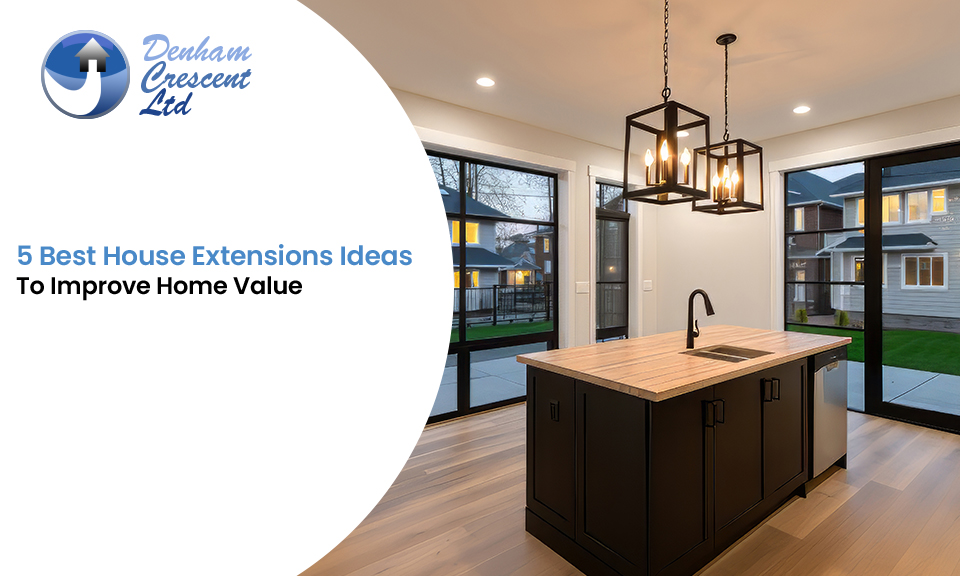
5 Best House Extensions Ideas To Improve Home Value in 2026
16, Mar, 2026
Is your kitchen feeling cramped, and your living area lacking natural light, too? Many families struggle to find rooms until they start to reliase there’s little space left. This is when homeowners begin exploring extensions on houses as a way to improve space without moving.
A well-designed extension can completely change how a home functions. It can create open-plan living, improve storage, add bedrooms, and increase property value. For many homeowners, house extensions are a practical long-term solution.
Why Homes Actually Need Extensions
Even when a house is in a good location, the layout may not suit modern living. Older homes were built with smaller kitchens and separated rooms, which can feel restrictive today.
Common reasons homeowners consider house extension ideas include:
Families needing more living space
Kitchens that are too small for modern appliances
Lack of natural light in older layouts
Working from home requires office space
Increasing property value before selling
Rather than moving house and paying high costs such as stamp duty and legal fees, extending the existing property can often be the smarter investment.
Types of Extensions on Houses
Not all extensions are the same. The right type depends on the structure of the property and the space available.
Rear House Extensions
Rear extensions are one of the most common extensions on houses. They extend the back of the property into the garden and are often used to create larger kitchens or open-plan living spaces.
Rear extensions work well for:
Kitchen-dining areas
Family rooms
Open-plan living spaces
They are particularly popular in terraced and semi-detached homes.
Side Return Extensions
Side return extensions are often used in Victorian or Edwardian terraced houses where there is unused space along the side of the property.
Wrap-Around Extensions
Wrap-around extensions combine both rear and side extensions. This creates a much larger space and allows homeowners to redesign the entire ground floor layout.
Wrap-around designs are ideal for:
Open-plan kitchens
Large family living areas
Kitchen and dining combinations
Double-Storey Extensions
Double-storey extensions add space on two levels of the house. This means homeowners can expand living areas downstairs whilst adding bedrooms or bathrooms upstairs.
Although they are more expensive than single-storey extensions, they often provide better value because they double the added space.
Read More: south london extensions
Loft Extensions
Loft extensions make use of unused roof space to create extra rooms such as bedrooms, offices, or bathrooms.
For homes with limited garden space, loft extensions can be an efficient way to increase living space without expanding the footprint of the house.
House Extension Ideas for Modern Homes (2026)
Design trends for house extensions ideas continue to focus on light, space, and flexible living.
Some of the most popular ideas include:
Open-Plan Kitchen Extensions
Many homeowners now prefer open kitchens that connect directly with dining and living areas. This creates a more social space and improves natural light throughout the house.
Glass Rear Extensions
Glass extensions are becoming increasingly popular because they allow more natural light into the home whilst creating a modern architectural feature.
Large sliding doors and glass walls can connect indoor spaces with the garden.
Skylights and Roof Lanterns
Adding skylights or roof lanterns is one of the simplest ways to improve brightness inside an extension. These features work particularly well in kitchen extensions where natural light is important.
Read More: home remodeling contractors near me
Indoor-Outdoor Living Spaces
Extensions designed with large doors or folding glass panels create a smooth transition between indoor and outdoor areas. This makes gardens feel like an extension of the home.
Home Office Extensions
With more people working from home, many homeowners now design extensions that include quiet workspaces or small offices.
These spaces improve productivity whilst keeping work separate from family areas.
What Types of Houses Benefit Most From Extensions
Different property types can benefit from different extension designs.
Terraced Houses
Terraced homes often benefit from rear or side return extensions because they maximise available space without affecting neighbouring properties.
Semi-Detached Homes
Semi-detached houses usually offer more flexibility for wrap-around or double-storey extensions.
Detached Houses
Detached homes often have the most extension potential because there is usually more space around the property.
Bungalows
Bungalows can benefit from both rear extensions and loft extensions to increase living space.
How Much Do Extensions on Houses Cost in the UK
Costs for extensions on houses vary depending on size, materials, and structural complexity.
Typical UK extension costs include:
In London, the cost per square metre can range from £2,500 to £4,000 depending on materials and labour.
Factors that influence cost include:
Size of the extension
Structural work required
Plumbing and electrical installations
Materials and finishes
Planning requirements
Planning Permission and Building Regulations
Many smaller extensions can be built under Permitted Development rights, which means planning permission may not be required.
However, there are limits on size and height. Larger projects or homes in conservation areas may still need approval from the local council.
Building Regulations will also apply to ensure:
Structural safety
Proper insulation
Safe electrical and plumbing systems
Fire safety and ventilation
Common Mistakes Homeowners Make With Extensions
Extensions are a major investment, so careful planning is important. Some common mistakes include:
Choosing the wrong extension type for the property
Underestimating the total project cost
Ignoring planning restrictions
Focusing only on appearance rather than functionality
Hiring inexperienced builders
Working with experienced professionals helps prevent these issues.
Why Homeowners Trust Denham Crescent
If you’re considering an extension and want clear advice before starting, speak with Denham Crescent. Our team helps you explore the best house extension ideas, understand costs, and plan a design that improves space whilst staying within your budget.
Read More: gable end extension ideas
Share:
