
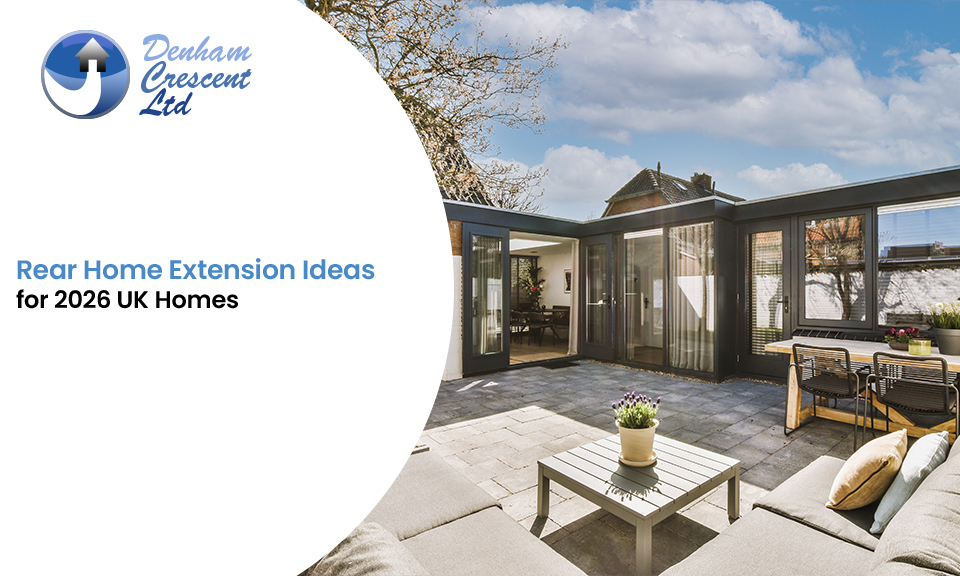
Rear Home Extension Ideas for 2026 UK Homes
20, Dec, 2025
Rear home extensions are one of the most effective ways to add space, light, and value to your home without the hassle of moving. Whether your goal is a larger kitchen, a more open living area, or a flexible family space, the right design can completely change how you use your home.
As we approach 2026, here are some practical and inspiring rear home extension ideas that work well for UK homes, particularly in London and the South West London area.
What Is a Rear Home Extension?
A rear home extension is built at the back of a property, extending into the garden to create additional internal space. It is commonly used to expand kitchens, dining areas, or living rooms, whilst keeping the front of the property unchanged.
Rear extensions are especially popular in urban areas where space is limited, but property value is high.
Why Homeowners Choose Rear Extensions
Rear extensions are flexible and have long-term benefits. They allow you to redesign your layout, improve natural light, and create spaces that suit modern lifestyles.
Many homeowners also see rear extensions as a smart investment, as they often increase resale value and make the home more appealing to future buyers.
1. Open-Plan Extension
One of the most popular rear home extension ideas is creating an open-plan living space.
By extending to the rear and opening up internal walls, homeowners can combine the kitchen, dining, and living areas into one flowing space. This layout works well for families and those who enjoy gathering on weekends.
2. Kitchen-Led Extension
A rear extension allows for larger worktops, better storage solutions, and space for kitchen islands or breakfast bars. It also makes room for dining areas that feel connected rather than cramped. Adding rooflights or skylights above the kitchen helps maintain brightness, especially in deeper extensions.
3. Maximising Natural Light
Light helps in making the rear extension appeal better. Popular design features are:
Bi-fold or sliding glass doors
Floor-to-ceiling glazing
Roof lanterns and flat-roof skylights
These elements help bring the garden visually into the home, making spaces feel larger.
4. Multifunctional Extension
Rear extensions don’t have to serve just one purpose. Many homeowners now design multifunctional spaces that adapt to changing needs. A rear extension can act as a family room by day and a quiet workspace by night, or a playroom that later becomes a guest area.
5. Contemporary Extension
These designs work well when homeowners want to clearly distinguish the extension from the original property. Materials such as aluminium frames, large glass panels, and smooth finishes help create a sleek, modern look for period homes.
6. Traditional Extension
For homeowners who prefer a traditional rear extension to work alongside the existing property, matching brickwork, roof styles, and window proportions helps maintain the original character of the home. This approach is often favoured in conservation areas or where planning considerations require a friendly design.
7. Single-Storey Extension
Single-storey rear extensions are the most common option for UK homes. They are ideal for expanding ground-floor living spaces and often fall under permitted development rights. These extensions are cost-effective, quicker to build, and highly flexible.
They work particularly well for kitchen-diners, family rooms, and garden-facing living areas.
8. Double-Storey Extension
For homeowners needing maximum space, double-storey rear extensions offer a powerful solution.
These extensions can add new bedrooms, bathrooms, or home offices upstairs whilst expanding living areas below. Although they require more planning and structural consideration, they deliver long-term value.
Double-storey rear extensions are ideal for growing families or multi-generational living.
Planning and Design Considerations
Before working on rear home extension ideas, it’s important to understand planning rules, building regulations, and structural requirements. Whilst some projects fall under permitted development, others require full planning approval.
Good design planning ensures the extension feels balanced, functional, and well-integrated with the existing property.
Read More: HOUSE RENOVATION BULIDERS LONDON
Why Choose Denham Crescent?
Denham Crescent specialises in building rear extensions that feel like a natural continuation of the existing house, not something that looks added on later. Each project starts with understanding the property layout, access, and planning constraints before any work begins.
Homeowners work with one team throughout the process, rather than dealing with multiple contractors. Our local knowledge helps projects move forward smoothly, without unnecessary redesigns or last-minute changes.
Share:
