
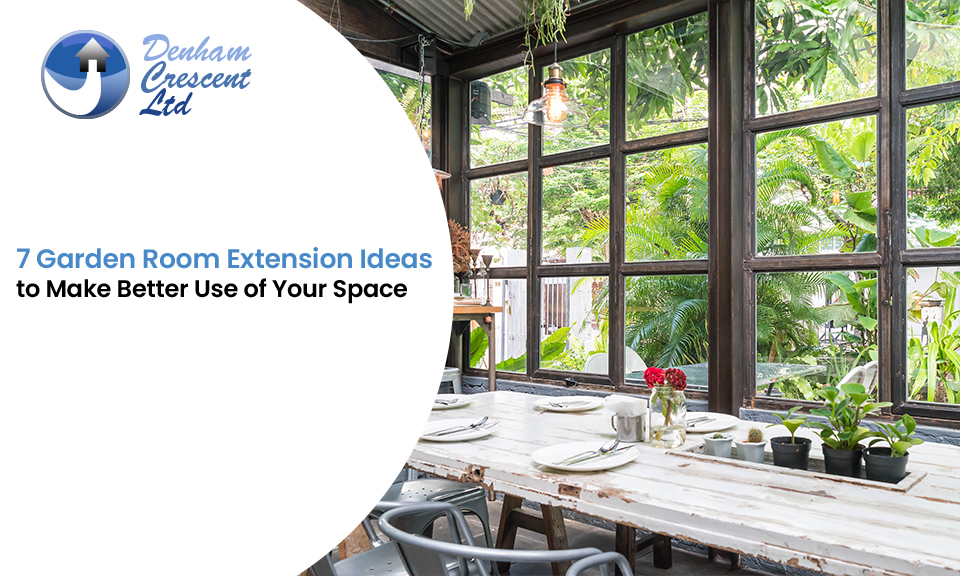
7 Garden Room Extension Ideas to Make Better Use of Your Space
14, Sep, 2026
A garden room extension gives you extra space without giving up the garden altogether. The challenge is deciding how much of the garden to use and what the new room should actually do for your home.
The good news is that one well-planned extension can become a home office, family room, gym, or hobby space. The catch is that poor planning quickly turns useful garden space into an awkward room with limited light, storage, or year-round comfort.
Here are seven garden room extension ideas to help you make better use of your space.
1. Create a Dedicated Home Office
A garden room extension provides a separate home office with natural light and a quieter setting. Add proper insulation, heating, lighting, and electrical sockets, and the room becomes suitable for year-round use.
Position the desk near a window rather than directly in front of it if glare is an issue. Built-in storage also keeps the working area tidy without taking up valuable floor space.
2. Build a Family Room for Everyday Living
A garden room extension works well as a relaxed family space for reading, watching films, playing games or spending time together. Large windows and wide doors help bring daylight into the room while creating a stronger visual connection with the garden.
Think about furniture before finalising the layout. A sofa, storage unit and television need more space than an empty floor plan suggests.
Good insulation also matters. A room used throughout the year needs more than attractive glazing and a stylish interior.
3. Create a Space for Hobbies and Exercise
A garden room offers a dedicated place for hobbies, exercise, or creative work. It might become a home gym, art studio, music room, craft room or reading space.
The intended use should influence the design from the beginning. A gym needs a suitable floor and ventilation. A music room needs thought around sound. An artist needs good natural light and practical storage.
4. Use Glazing to Connect the Room With the Garden
One of the biggest advantages of a garden room extension is the relationship between indoor and outdoor space. Large windows, glazed doors and carefully positioned rooflights bring more daylight into the new room. They also help the garden feel like part of the living space.
The position of the glazing matters as much as its size. Consider where the sun reaches the garden during the day, where furniture will sit and whether neighbouring properties overlook the room. A recent Homebuilding case study shows how a glass extension helped a family create a stronger connection between their home and garden.
5. Make a Small Garden Work Harder
For a smaller plot, the extension needs to work within the existing space rather than simply occupy as much ground as possible. A narrower layout, built-in storage and carefully positioned doors help preserve usable outdoor space.
Think about the route from the kitchen to the garden, seating areas, planting and children's play space before deciding how far the extension should project.
The goal is a better relationship between house and garden, rather than one large room surrounded by a much smaller garden. For South West London homes, this balance is particularly important where gardens often sit within compact plots and neighbouring properties are close by.
6. Plan the Extension for Year-Round Comfort
If you want a home office, family room or hobby space, insulation, heating, ventilation and suitable glazing need to form part of the initial design.
Building Regulations cover the construction and extension of buildings in England, while planning permission is a separate consideration. GOV.UK confirms homeowners might need both approvals depending on the project.
This is also where good design makes a difference. Positioning windows for daylight, selecting suitable insulation and planning heating before construction produces a room designed for its intended use rather than a garden structure adapted later.
7. Design the Garden Room Around the Existing House
Consider the existing brickwork, roofline, windows, flooring levels and internal layout. The new room should also make sense from inside the house. A poorly positioned doorway or awkward transition might make an otherwise attractive extension frustrating to use.
This is where professional design and structural planning become valuable. Denham Crescent provides residential architectural services covering design, planning applications, structural considerations and project management. If structural changes form part of the project, Denham also provides structural works for residential projects.
Do Garden Room Extensions Need Planning Permission?
Planning rules depend on the type of project, its size, position, design and permitted development rights. GOV.UK advises checking with the local planning authority where an extension or other building work is proposed.
If your project involves extending the main house rather than creating a detached garden building, Denham's house extension services provide support from planning and design through construction.
How Much Does a Garden Room Extension Cost?
The final cost depends on the size, foundations, structure, glazing, insulation, heating, electrical work, finishes, and whether drainage or other services need moving.
Current 2026 garden room cost data also shows how quickly the price changes once a basic structure becomes a fully finished, year-round room. The most useful approach is to decide how you want to use the room first, then build the specification around those needs.
Make Your Home Work Better
A home office gives work its own space. A family room creates somewhere to relax. A hobby room keeps equipment and projects away from the main living areas.
Before choosing a design, look at the garden, the existing house, and your daily routine together. Think about how much outdoor space you want to retain, how the new room will be used throughout the year, and how the extension will connect with the rest of the property.
A well-planned garden room should feel like a natural part of your home while giving you more freedom to use every part of your property.
Share:
