
A Beginner’s Guide to Property Development: From Initial Planning to Project Completion
04, Jun, 2026
Property development is one of the most rewarding ways to build long-term wealth, but it requires careful strategy, structured planning, and a clear understanding of each stage of the process. Whether you are exploring real estate investment, planning your first residential property development project, or looking to break into the construction and development industry, this guide will walk you through everything you need to know—from initial idea to final completion.
Understanding Property Development
At its core, property development is the process of buying land or existing property, adding value through improvements or construction, and then selling or leasing it for profit. Successful developers combine market research, financial planning, design strategy, and project management to turn ideas into profitable real estate assets.
Common types of property development include:
- Residential housing projects (houses, apartments, villas)
- Commercial developments (offices, retail spaces)
- Mixed-use developments (residential + commercial)
- Land subdivision and resale projects
Understanding your niche early helps you make smarter investment decisions and reduce financial risk.
Read More: commercial building contractors
Step 1: Market Research and Feasibility Study
Before purchasing land or property, conduct thorough real estate market research. This is the foundation of any successful development project.
Key factors to analyze include:
- Local property demand and pricing trends
- Population growth and infrastructure development
- Rental yield potential
- Zoning laws and government regulations
- Competitor developments in the area
A feasibility study helps determine whether your project is financially viable. It includes estimated costs, projected profits, and risk assessment. Many beginners skip this step, but experienced developers know it is critical for avoiding costly mistakes.
Step 2: Securing Financing and Budget Planning
Property development requires significant capital, so understanding your property development finance options is essential. Funding may come from:
- Personal savings or capital
- Bank loans or mortgages
- Private investors or joint ventures
- Development finance institutions
Create a detailed budget that includes:
- Land acquisition costs
- Construction expenses
- Professional fees (architects, engineers, consultants)
- Legal and permit costs
- Marketing and sales expenses
A strong financial plan ensures your project stays profitable and avoids cash flow problems during construction.
Step 3: Site Acquisition and Legal Approvals
Once your budget is ready, the next step is acquiring the land or property. This stage also involves legal due diligence, including:
- Title verification and ownership checks
- Zoning and land-use permissions
- Environmental and structural assessments
You may also need approvals from local authorities for building permits and development permissions. Working with a legal advisor or property consultant can help streamline this process and prevent legal complications.
Read More: https://www.denhamcrescent.co.uk/services/house-renovation-london
Step 4: Design and Planning Phase
This is where your vision starts to take shape. Collaborate with architects, engineers, and designers to create detailed development plans.
Key elements include:
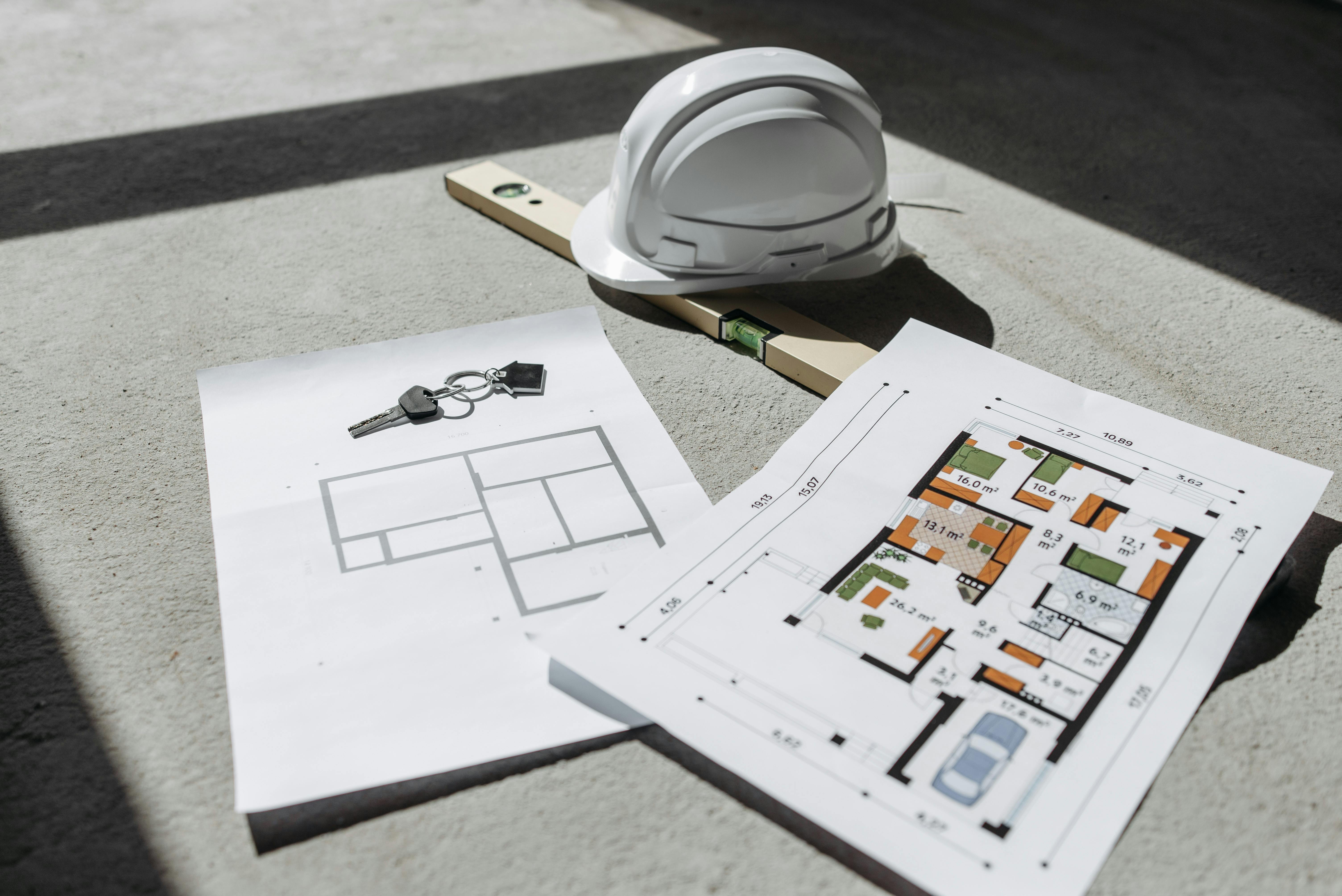
- Architectural drawings and floor plans
- Structural engineering design
- Interior and exterior planning
- Sustainability and energy efficiency features
Modern buyers increasingly prefer eco-friendly property developments, so incorporating green building materials and energy-efficient systems can significantly increase property value.
Step 5: Construction and Project Management
The construction phase is where your project becomes reality. Hiring the right contractors and managing timelines effectively is crucial for success.
Important aspects include:
- Selecting experienced builders and contractors
- Monitoring construction progress regularly
- Managing costs and avoiding budget overruns
- Ensuring compliance with safety and building standards
Strong project management in property development ensures deadlines are met and quality standards are maintained.
Step 6: Marketing and Sales Strategy
Once construction is nearing completion, focus on marketing your property. A strong real estate marketing strategy can significantly impact your return on investment.
Effective marketing techniques include:
- Professional property photography and virtual tours
- Online listings on real estate platforms
- Social media advertising campaigns
- Open house events and property showcases
Highlight unique selling points such as location benefits, design quality, and investment potential.
Step 7: Project Completion and Handover
The final stage involves completing legal documentation, obtaining occupancy certificates, and handing over the property to buyers or tenants.
At this stage, ensure:
- Final inspections are completed
- All utilities are functional
- Legal ownership documents are transferred properly
A smooth handover process builds trust and enhances your reputation as a developer, helping you secure future projects more easily.
Final Thoughts
Entering the world of property development for beginners can feel complex, but with the right knowledge and structured approach, it becomes a powerful path to financial growth. From strategic planning and financing to construction and sales, each stage plays a critical role in your success.
By focusing on research, smart investment decisions, and effective project management, you can turn raw land into profitable, high-value real estate assets and new build a strong foundation in the property development industry.
Share:
